Janvier est le mois du teaser du cerveau! C'est le mois idéal pour intimider votre cerveau avec de nouvelles données intéressantes et sombres sur les chiens et peut interroger vos amis et votre famille. Cela devrait également être un mois amusant pour eux, car les enfants aiment apprendre au hasard.
Žinoma, yra daugybė priežasčių išmokti įdomių dalykų apie šunis. Norėdami atkurti naują kailio partnerį, būsite patenkinti visa informacija, kuri padės jums ir jūsų vaikams išlaikyti naują šuniuką.
pranešimas
Sąžiningai, jums nereikia išmokti kažko naujo. Smagu žinoti ką nors apie šunis ir geriau suprasti vaikus nei kiti. Smegenų vairuotojas yra laimingas mėnuo!
A kutyák iránt érdeklődő gyermekeknek minden bizonnyal el kell tanulniuk a korai életkorban. Az idős kutyák iránti szereteted nagyobb valószínűséggel folytatódik. Aztán ott van egy teljesen új generációs kutya rajongó, aki segít nekik elmozdulni a kölykökből menedékjogból, vagy abban a házban, amelyhez tartoznak!
Ismeri a kutyák és kölyökkutyák szórakoztató és vicces tényét, amelyet nem tartalmazunk? Melyek a kedvenc kutyáid? Ossza meg az alábbi megjegyzéseket!
Susijęs straipsnis:
- 50 ismert idézet kutyákban
- Šuniukas: nuotraukos, faktai ir dalykai, kuriuos turite žinoti prieš pradėdami
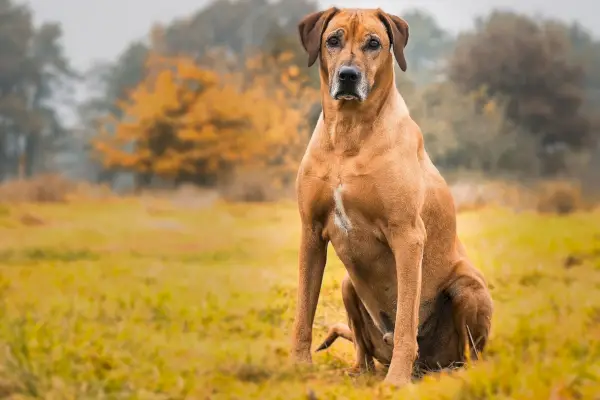
rotvileris
30 didelių šunų ir šunų
-
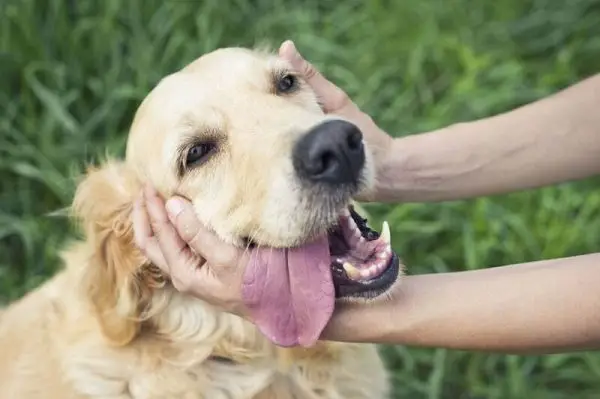
Suaugę šunys turi 42 dantis.
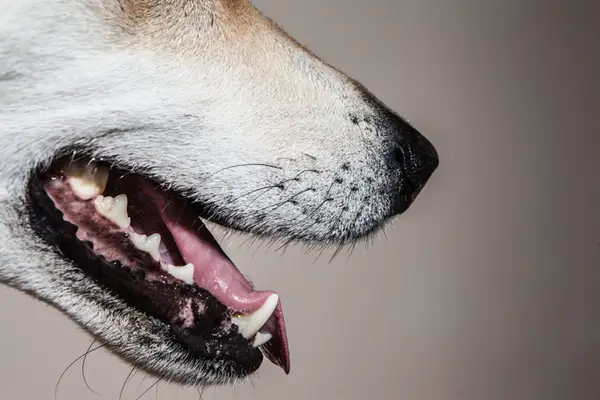
(Fotografo kreditas: „Getty Image“)
-
Šunys gali pamatyti dar daug tamsių žmonių! Tai buvo naudinga, kai jie iš esmės buvo.
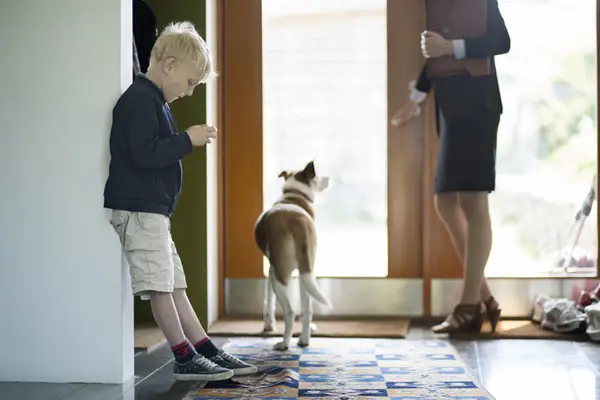
(Fotografo kreditas: „Getty Image“)
-
Šuniukai yra akli, kurti ir be dantų.
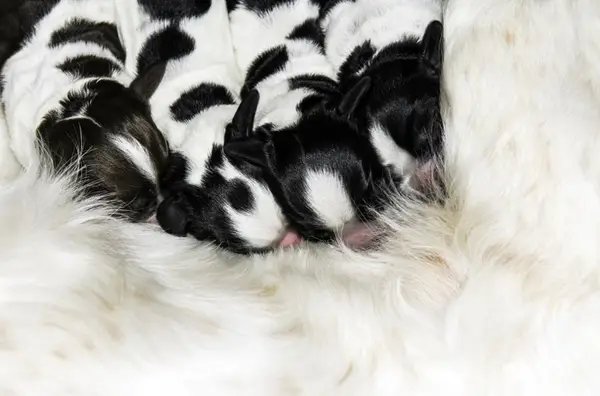
(Fotografo kreditas: „Getty Image“)
-
Neutralizavimas ar neutralizavimas gali padėti išvengti tam tikrų kancerogenų.

(Fotografo kreditas: „Getty Image“)
-
Sunkieji šunys priklauso Benediktui San Bernardui. Svoris £ 357!
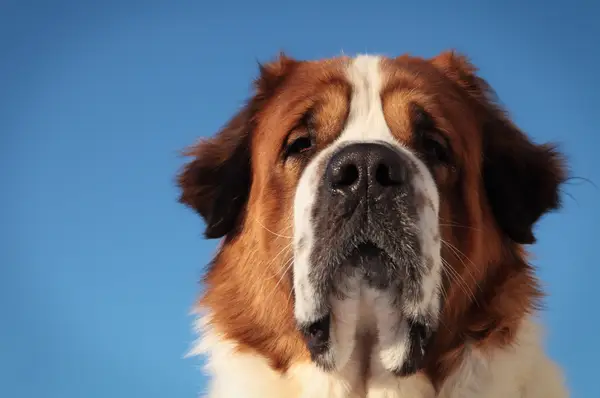
(Kredito fotografas: „Plainasum“ / „Getty Images“)
-
Jei jis niekada nėra užimtas ar neutralizuotas, daugiau šunų šešerius metus (įskaitant senelius ir anūkus) gali pagaminti pakankamai atliekų.

(Fotografo kreditas: „Getty Image“)
-
Klausymo jausmai yra 10 kartų tikslūs.

(Fotografo kreditas: „Getty Image“)
-
Vidutinis šuo gali įvykdyti apie 19 žmogžudysčių.

(Fotografo kreditas: „Getty Image“)
-
Šunys minimi 14 Biblijoje.
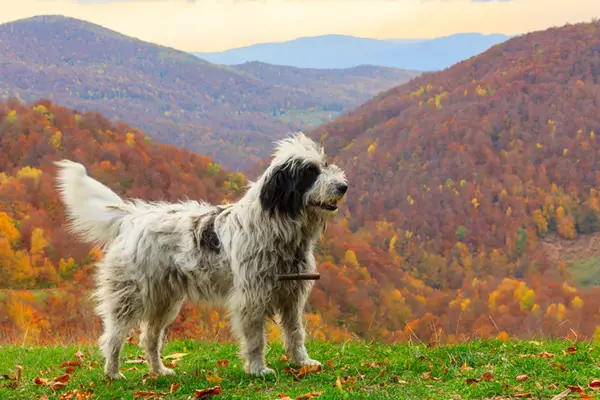
(Fotografo kreditas: „Getty Image“)
kojoto dydis
-
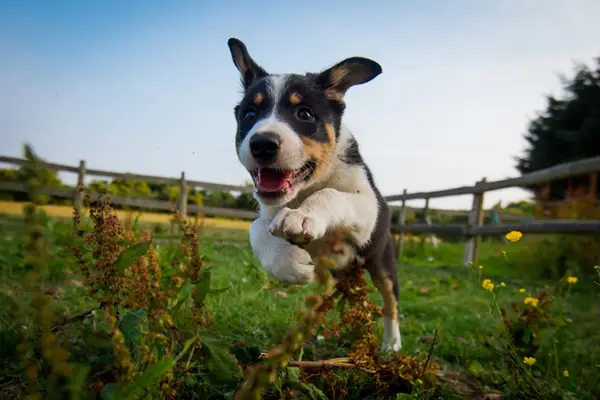
(Fotografo kreditas: „Getty Image“)
-
Vidutinė šuns kūno temperatūra yra 101,2 laipsnio pagal Farenheitą.

(Fotografo kreditas: „Getty Image“)
-
Vienintelės prakaito liaukos tarp pirštų.
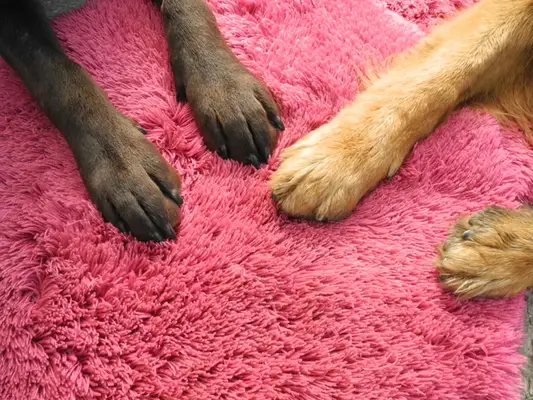
(Fotografo kreditas: „Getty Image“)
-
Nosies įspūdis yra vienas iš žmonių antspaudų rūšių.
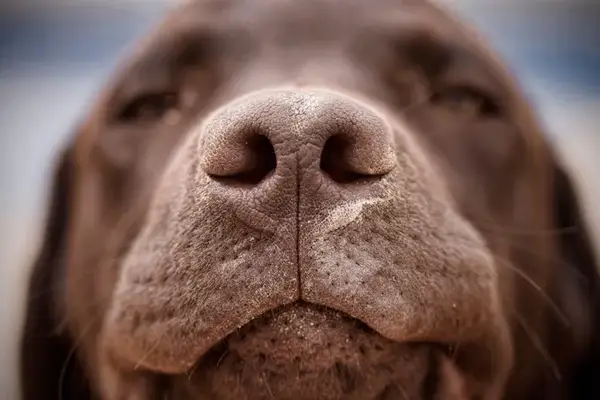
(Fotografo kreditas: „Getty Image“)
-
Visi šunys yra blizgūs. Turėtumėte valgyti daugiau nei mėsą.
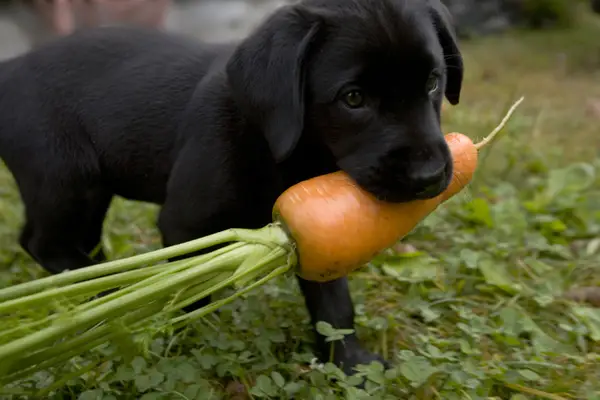
(Fotografo kreditas: „Getty Image“)
-
Be vidutinės gyvenimo trukmės, tipiniai šunys yra beveik viršijami. 15 000 USD priklauso nuo veislių, dydžių ir kitų veiksnių. Tai verta karūnos!
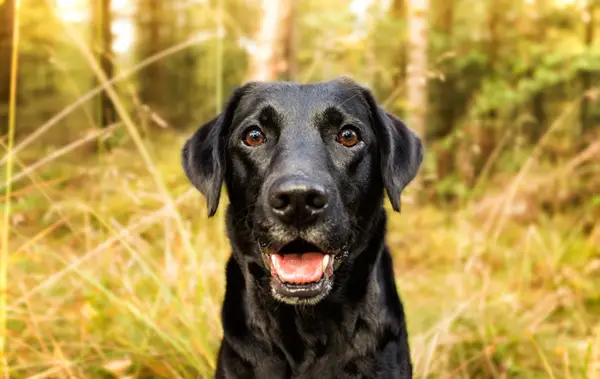
(Fotografo kreditas: „Getty Image“)
-
A tanulmány azt mutatja, hogy a kutyákkal töltött idő elengedi az oxitocint.
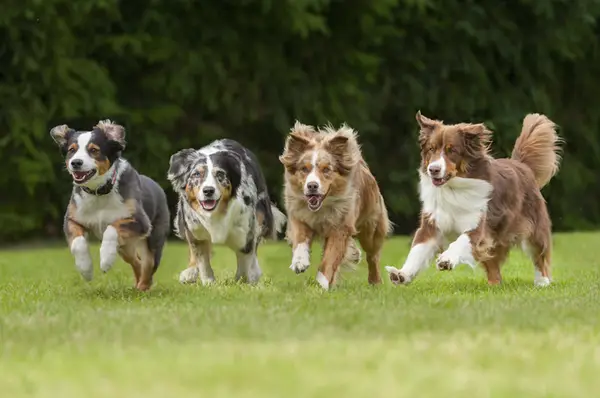
(Fotografo kreditas: „Getty Image“)
-
Daugelis šeimų turi šunis trijose Amerikos šeimose.

(Fotografo kreditas: „Getty Image“)
-
Šuo šuniuką paima maždaug 60 dienų iki gimimo.
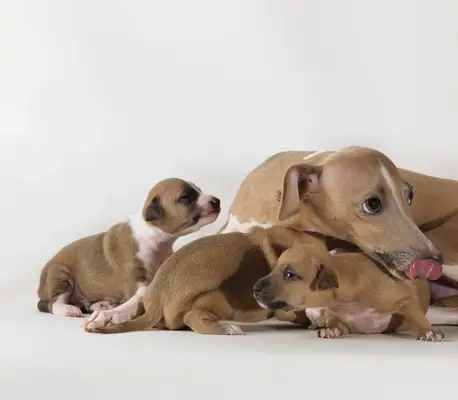
(Fotografo kreditas: „Getty Image“)
-
Aklojo šuns mitas. Jie iš tikrųjų mato spalvą, tačiau skiriasi nuo žmonių.
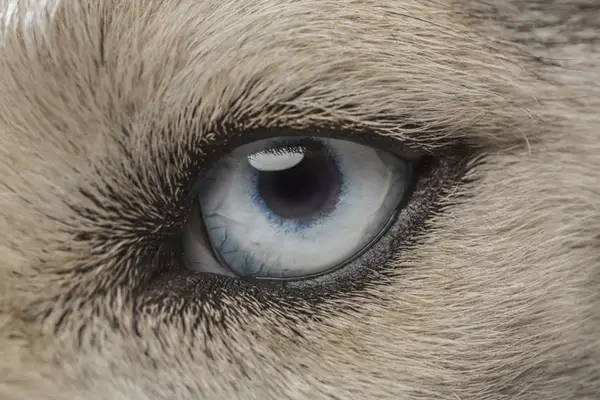
(Fotografo kreditas: „Getty Image“)
-
„Kobli Kahn“ turėjo 5000 bagažo. Monarchai yra daugybė šunų ryžių!
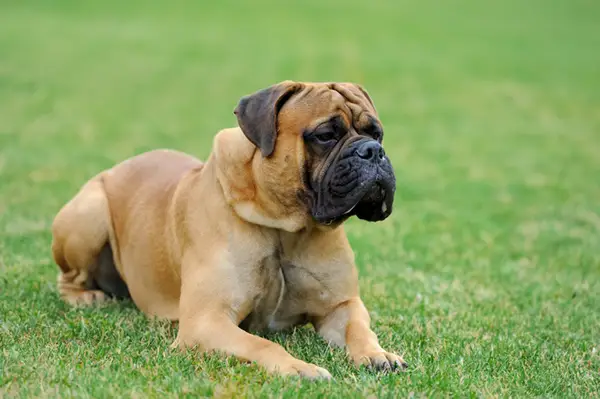
(Fotografo kreditas: „Getty Image“)
-
Šunys turi du kartus žmonių raumenis.

(Fotografo kreditas: „Getty Image“)
-
Šuns aromatas yra daugiau nei milijonas.
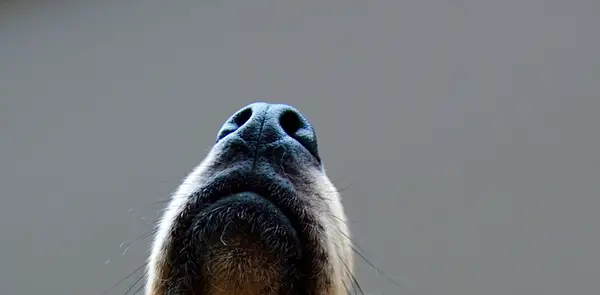
(Fotografo kreditas: „Getty Image“)
-
Jūros bokštelis neįkvėpė žvaigždžių, kad žvaigždės yra Jura. Grįžkite į Jedi. Tiesą sakant, tai buvo Briuselio paspaudimas.
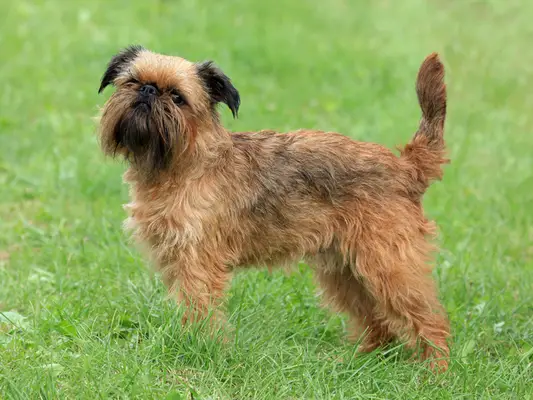
(Fotografo kreditas: „Getty Image“)
-
Šunys gali jaustis iki 45 minučių epilepsijos.
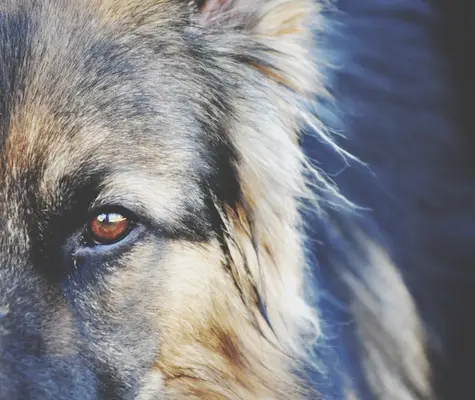
(Fotografo kreditas: „Getty Image“)
-
„Tacobel Chiwa“ iš tikrųjų saugomas.

(Fotografo kreditas: „Getty Image“)
-
Dalmatikai gimė gražios baltos spalvos.

(Fotografo kreditas: „Getty Image“)
kodėl šunų gyvenimas trumpas
-
Šunys svajoja apie žmones. Apie ką svajojate?

(Fotografo kreditas: „Getty Image“)
-
Basenjis yra vienintelis šuo, kurio negalima uždrausti. Bet jie sukuria dar vieną garsą.
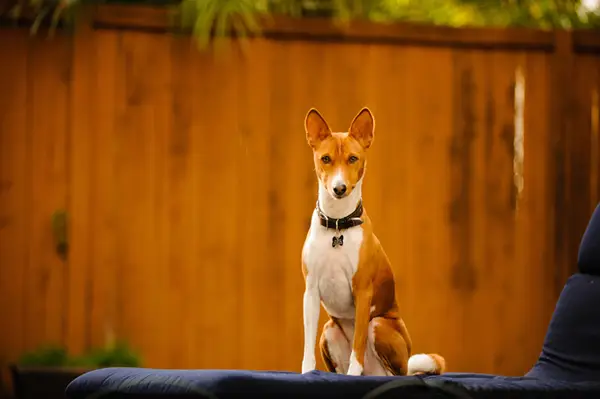
(Fotografo kreditas: „Getty Image“)
-
Odos problemos yra svarbiausios sveikatos problemos.

(Fotografo kreditas: „Getty Image“)
-
70%augintinio tėvų žurnalo pasirašo augintinio vardą sveikinimui / atostogoms.
(Fotografo kreditas: „Getty Image“)